
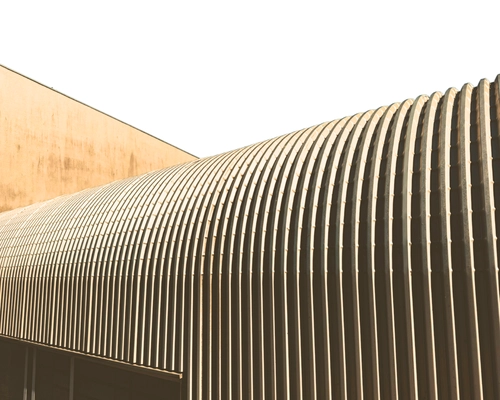
Aluminum composite material, commonly called ACM, is a sandwich sheet made by bonding two thin aluminum skins to a core. The layered construction creates a flat panel that can be cut and fabricated for applications such as building cladding, interior surfaces and signage. Aluminum composite panel, or ACP, is another common name for this product.
The key to understanding ACM is its construction. Two sheets that share the same overall thickness can have different aluminum skin thicknesses, core formulations, coatings and intended uses. For architects, contractors and distributors, those details matter more than the abbreviation on the quotation.
How Is Aluminum Composite Material Constructed
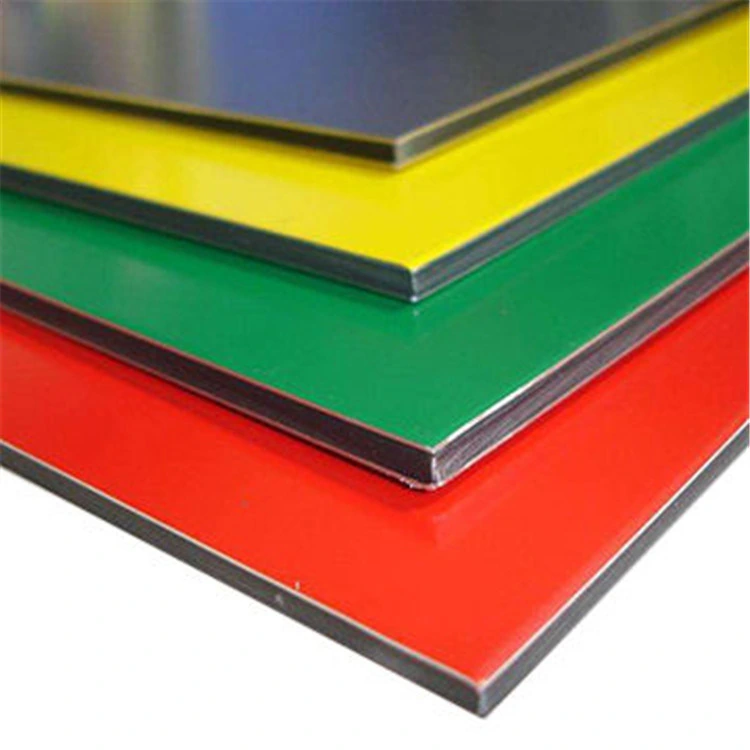
A typical ACM sheet has a coated aluminum face, a bonded core and an aluminum back skin. Adhesive or bonding layers join the components. A temporary protective film may cover the finished face during transport and fabrication.
| Layer | Main role | Detail to specify |
| Front aluminum skin | Provides the exposed metal face | Alloy, temper and skin thickness |
| Face coating | Establishes color and surface appearance | Coating system, gloss and intended exposure |
| Bonding layers | Connect the skins and core | Bond performance and fabrication compatibility |
| Core | Separates the skins within the sandwich | Composition and relevant fire classification |
| Rear aluminum skin | Completes the composite construction | Thickness and back coating |
The skins and core work together. Panel stiffness depends on their combined properties and the panel geometry. ACM should not be treated as a structural wall or a substitute for the building’s supporting frame.
Are ACM and ACP the Same Material
ACM describes aluminum composite material; ACP describes an aluminum composite panel. In ordinary product enquiries, the terms often refer to the same type of sandwich sheet. “Aluminium” is the alternative spelling used in many markets.
A supplier may sell an ACM sheet as raw stock or supply fabricated panels with returns, stiffeners or attachments. State which form is required. A flat sheet quotation does not automatically include cassette fabrication, brackets, subframes or installation accessories.
Also distinguish conventional ACM from aluminum honeycomb and corrugated-core panels. These are related sandwich products with different core geometries, thicknesses and fabrication details.
What Types of Core Are Used
Polyethylene Core
PE-core ACM uses a polyethylene core between aluminum skins. It is available in product ranges serving applications such as graphics and signage. Its use in a building depends on the specific product and project requirements. A sheet sold for a display should not be assumed suitable for an exterior facade.
Mineral Filled Core
Some architectural ACM products use mineral-filled cores to improve their reaction to fire compared with conventional PE-core products. The formulation and classification vary between products. “FR” is a product description that needs supporting test documentation; it does not mean every panel or complete wall is noncombustible.
Other Composite Cores
An aluminum honeycomb panel has a cellular metal core. A corrugated-core panel contains a formed corrugated core. Compare their construction separately from polymer-core ACM, including bonding, edge treatment, stiffness and fastening arrangements.
The aluminum face alone does not establish the fire behavior of a composite panel. For building work, specify the required performance and obtain documentation covering the proposed material and relevant assembly.
What Is Aluminum Composite Material Used For
ACM serves several markets, with product grades selected for the intended application.
| Application | Important selection points |
| Exterior wall cladding | Core, coating, wind design, drainage and system documentation |
| Interior wall panels | Surface appearance, impact exposure, joints and fire requirements |
| Soffits and canopies | Fixings, edge details, exposure and maintenance access |
| Shop fronts and fascia | Color consistency, geometry and coordinated connections |
| Signage and displays | Print or film compatibility, sheet flatness and mounting method |
For facade work, the sheet forms part of a larger construction. Subframes, anchors, insulation, membranes, joints and cavity details all influence the finished wall. The panel face does not by itself create a complete weather barrier.
What Sizes and Thicknesses Are Available
Specify overall panel thickness and individual aluminum skin thickness separately. Overall thickness includes the core and both skins; it does not tell the buyer how thick either aluminum face is.
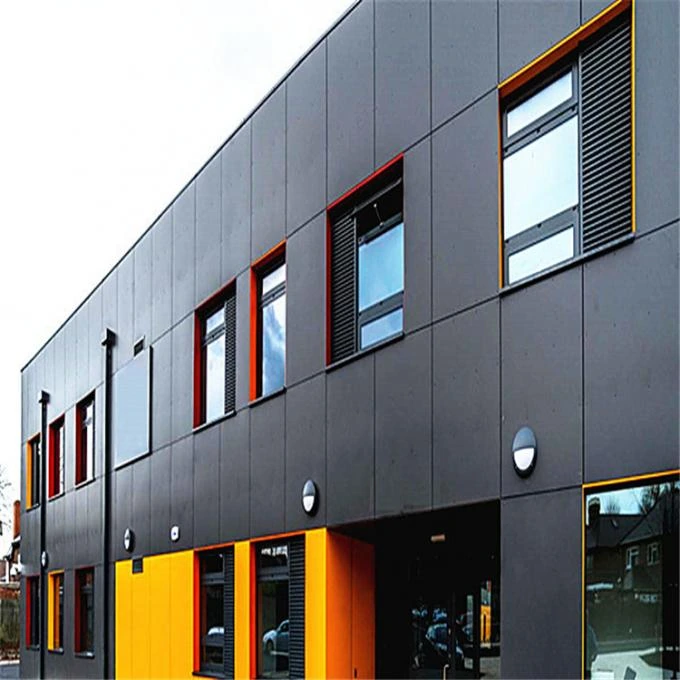
GZSEASON’s ACP aluminum composite sandwich panel offering includes a listed sheet format of 1220 × 2440 mm and overall thickness options of 2–6 mm. Custom dimensions can be discussed for the project. Core composition, skin thickness and the final finish should be included in the agreed specification.
A separate company ACM listing includes a 1220 × 3050 mm format at 4 mm overall thickness. These are product examples, rather than dimensions that apply to every ACM panel.
When a schedule calls for a 4 × 8 ft sheet, agree the manufactured dimensions and tolerances in millimeters. For fabricated cladding, provide both the finished panel dimensions and the blank sizes needed for returns and cutting allowance.
Explore the broader GZSEASON architectural metal product range when comparing composite sheets with other panel constructions.
What Surface Finishes Can Be Specified
The finish affects color, gloss, texture and suitability for exposure. GZSEASON’s ACP range includes coating and decorative finish options, with color and finish selected for the proposed application.
Approve a physical sample and record the coating specification. An interior decorative finish and an exterior coating can look similar while having different weathering requirements. Review the finish warranty for its actual conditions and exclusions.
“PE coating” and “PE core” refer to different parts of a panel. PE coating commonly means a polyester finish; PE core refers to polyethylene within the sandwich. Keep coating and core as separate lines on the purchase specification.
For metallic or directional finishes, agree sheet orientation and panel layout before fabrication. Identify batches and panel positions so the installer can follow the intended visual arrangement.
How Is ACM Fabricated
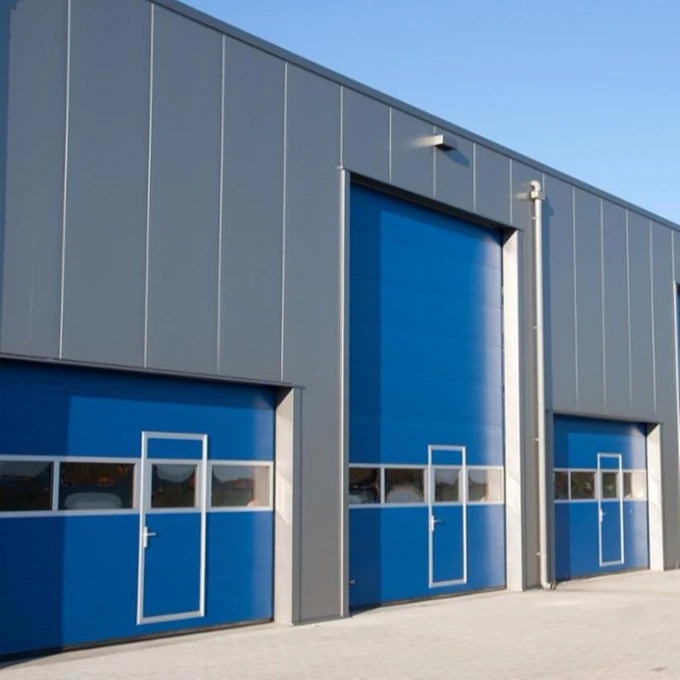
Depending on the product, ACM can be cut, drilled, routed and folded into architectural or display components. Routed-and-folded returns are used in some cassette designs. Tool selection and groove geometry need to follow the selected sheet’s fabrication instructions.
The fabrication drawing should define face dimensions, return depths, corner details, attachment positions and joint widths. Include the movement allowance needed for temperature changes and the selected fixing system.
For an exterior wall, coordinate panel fabrication with drainage and weatherproofing details. Sealants, tapes and other materials in contact with the panel should be compatible with the coating and intended environment.
This coordination helps avoid a common procurement problem: ordering flat sheets before the facade designer has settled the cassette geometry and sheet yield.
ACM Compared With Solid Aluminum and Honeycomb Panels
| Product | Basic construction | Main specification focus |
| Conventional ACM | Two aluminum skins bonded to a core | Skin thickness, core grade, bond and coating |
| Solid aluminum panel | A metal sheet formed into the required shape | Alloy, sheet thickness, stiffening and connections |
| Aluminum honeycomb panel | Aluminum faces bonded around a cellular core | Face thickness, core geometry, bond and edge closure |
These products can create similar finished appearances, but they should be compared through their sections and system details. Panel weight, span, dent resistance, fire behavior and fabrication requirements depend on the actual construction.
The correct choice follows the project requirements. A thicker overall sandwich panel is not automatically equivalent to a thicker solid aluminum sheet.
Is Aluminum Composite Material Fireproof or Waterproof
Avoid using either word as a blanket description of ACM. Fire performance varies with the core, skins, coating and installed construction. Request the classification and test scope for the proposed product, and have the facade designer establish the required assembly evidence.
A surface fire test does not establish the fire performance of an entire exterior wall. Likewise, a coated panel face does not make joints, penetrations and the wall cavity watertight. Weather resistance requires coordinated panel edges, joint design, flashings and drainage.
An ordinary solid ACM sheet is also not an acoustic absorber simply because it contains a core. If the project has sound or thermal targets, assess the complete construction against those targets.
What Should Buyers Confirm Before Ordering
A useful enquiry includes the intended use and drawings, together with the following details:
- Sheet or fabricated panel supply, including required accessories.
- Overall thickness and front and rear aluminum skin thicknesses.
- Core composition, product grade and required fire documentation.
- Sheet format, fabricated dimensions, tolerances and quantities.
- Coating system, color, gloss, pattern direction and approved sample.
- Fixings, movement allowance, joints and edge treatment.
- Project exposure, structural design criteria and wall system requirements.
- Packing, protective film, panel identification and spare material.
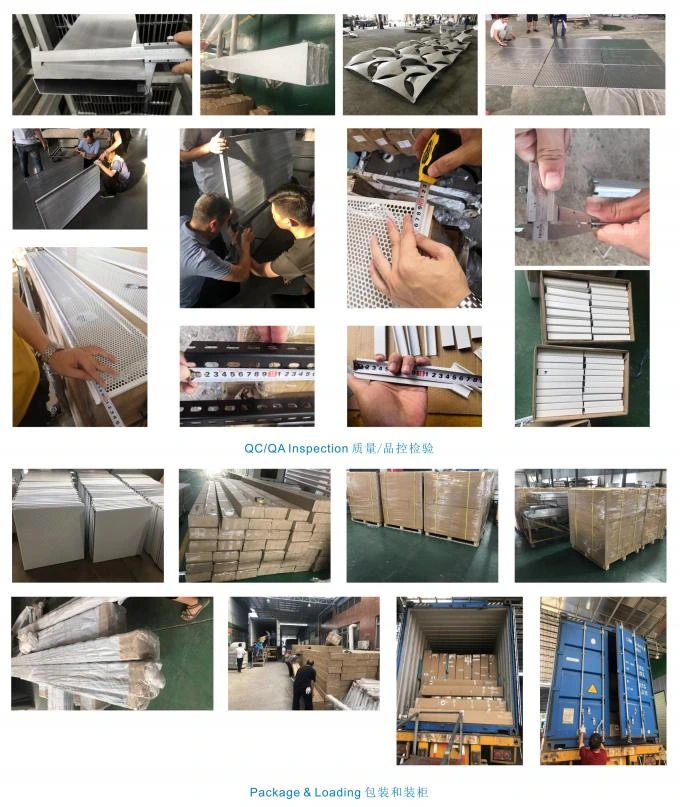
For export orders, align panel references with the approved drawings and packing list. Keep raw sheet dimensions separate from finished cassette dimensions, and confirm which fabrication operations are included before comparing prices.
Discuss Your Composite Panel Requirements With GZSEASON
Aluminum composite material combines aluminum skins with a bonded core to form a versatile sheet for cladding, interiors and signage. Successful specification starts with the core, skin thickness, coating and complete installation system.
Browse our architectural metal products and systems or review the GZSEASON online catalog. Share your application, panel drawings, finish reference and performance requirements with GZSEASON to discuss a suitable panel construction.