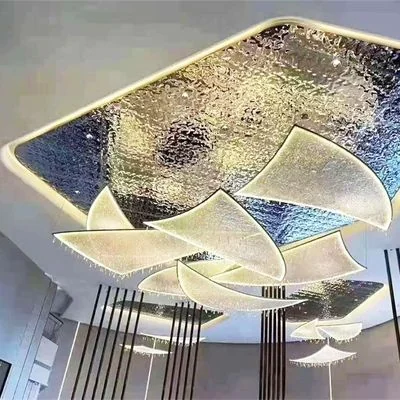
Reflective water ripple stainless steel panel by GZSEASON
GZSEASON / Decorative Metal Panels Systems

Decorative Metal Panels Manufacturer
for Custom Architectural Designs

Mirror, water ripple, embossed, laser-cut and UV-printed metal panels. Choose the surface effect, then coordinate the material, panel layout and installation for your project.

Explore the Five Collections ↓
Manufacturing in Guangzhou, China Project-specific patterns & finishes Ceiling, screen & feature applications
01 / Product collection

Five ways to shape
the surface.

Reflection, texture, relief, openings or graphics: each family solves a different design need. Start with the intended effect, then review samples, dimensions and fixing conditions together.

GZSEASON Reflective Mirror Panels
01 / Reflection / light

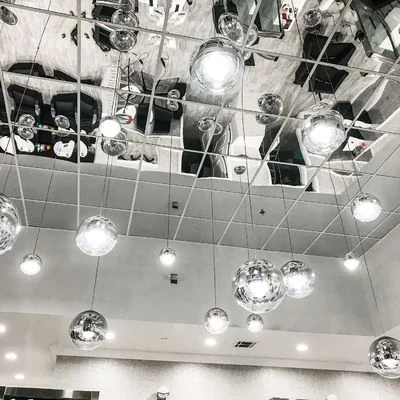
Reflective Mirror Panels

A reflective surface for ceilings and interior accents where light and surrounding finishes become part of the design. Review the full-size sample under the proposed lighting before approval.

Select by: reflectivity, panel layout and suspension detail.

GZSEASON Water Ripple Stainless Steel Panels
02 / Texture / movement

Water Ripple Stainless Steel Panels

Small, medium and large ripple patterns create a textured reflective surface. The catalog lists stainless steel grades 201, 304 and 316, with polished and PVD finish options.

Select by: steel grade, ripple scale and finish.

GZSEASON Antique & Embossed Metal Panels
03 / Pattern / relief

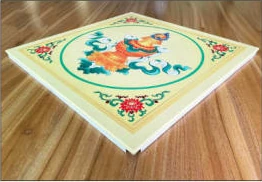
Antique & Embossed Metal Panels

Aluminum panels with plain or 3D embossed designs for traditional and themed interiors. Catalog modules include 600 × 600 and 900 × 900 mm, with pre-painted or film-coated finishes.

Select by: motif, module size and perimeter arrangement.

GZSEASON Laser-Cut Decorative Panels
04 / Pattern / openness

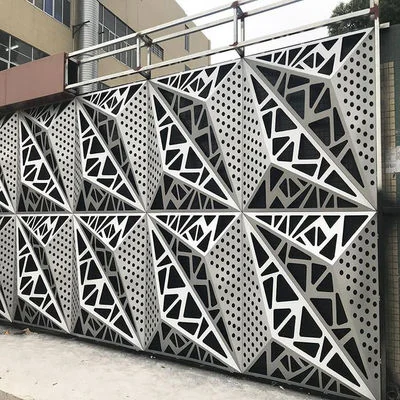
Laser-Cut Decorative Panels

Custom cut-through designs in aluminum, galvanized steel or stainless steel. Coordinate pattern continuity, remaining metal widths, edge returns and support positions before fabrication.

Select by: pattern, open area and mounting conditions.

GZSEASON UV-Printed Metal Panels
05 / Graphics / identity

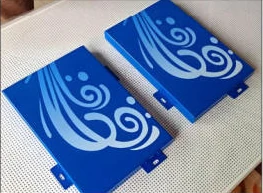
UV-Printed Metal Panels

Custom printed patterns on aluminum, galvanized steel or stainless steel. Flat and curved panels are described in the catalog; artwork, substrate and forming details need coordinated approval.

Select by: artwork, color proof and panel sequencing.

02 / Selection at a glance

Match the panel to
the design intent.

Panel family Primary design effect Key coordination point Typical design direction
Reflective mirror Reflected light and a crisp surface Lighting, flatness and joint alignment Interior ceiling or accent proposal
Water ripple Textured reflections Ripple scale, grade and direction Hospitality ceilings and features
Antique / embossed Traditional motifs or relief Module, motif and border layout Themed dining, resorts and temples
Laser-cut Open patterns and layered views Pattern continuity, open area and support Decorative screens and architectural accents
UV-printed Artwork on a metal surface Color proof, artwork scale and sequencing Transport and public-space decoration

Application directions guide selection. Final material, finish, dimensions and installation remain subject to the approved project specification.

GZSEASON catalog example of patterned antique aluminum ceiling
03 / From concept to coordinated panels

The detail makes
the whole surface work.

  • Keep the pattern continuous.

    A graphic that works on one panel may break at the joints. Review the full elevation, panel numbering and border conditions before dividing the design for manufacture.

  • Approve the finish in real light.

    Mirror and ripple surfaces respond strongly to their surroundings. Review the sample at the intended viewing distance and under the proposed lighting.

  • Resolve the fixing before cutting.

    Panel edges, support positions and removal access influence the final result. Coordinate openings and attachments so a decorative concept can become an installable assembly.

04 / Manufacturing & project support

A manufacturing partner
behind the finish.

GZSEASON manufactures metal ceilings and cladding in Guangzhou. Company materials document standard and customized workshops, CNC processing and a coating line, with design, production and after-sales service capabilities.

01 / DEFINE

Design review

Discuss the family, drawings, exposure and required appearance. Resolve the panel layout and installation intent.

02 / APPROVE

Sample review

Check the physical finish, pattern scale and material. Agree the approval reference before production.

03 / PRODUCE

Fabrication

Coordinate cutting, forming and the product-specific surface process against the approved specification.

04 / COORDINATE

Delivery scope

Agree panel identification, protective packaging, installation information and project delivery requirements.

Explore the Product Catalog ↗
05 / Specification essentials

Specify the surface.
Coordinate the assembly.

A decorative metal panel system includes more than the visible sheet. The panel, edges, supports, joints and finish need to work together.

  • Matériaux et finitions

    Ripple panels: stainless steel with polished or PVD options. Antique panels: aluminum with pre-painted or film-coated options. Laser-cut and UV-printed ranges: product-specific aluminum, galvanized steel or stainless steel configurations.

  • Dimensions & layout

    Antique catalog modules include 600 × 600 and 900 × 900 mm. Ripple catalog modules include 300 × 300, 600 × 600 and 600 × 1200 mm. These are selection references, not universal dimensions across the collection.

  • Installation & performance

    Agree the fixing detail and support arrangement for each product. Fire, acoustic, exterior exposure and structural requirements must be checked against the specified complete assembly.

UV printed blue metal panel samples from the GZSEASON catalog
06 / Selection guide & Q&A

Before you
specify.

Practical answers about materials, exterior use, mounting, artwork and procurement.

Catalog application example of printed metal decoration in a metro station
How do I choose between mirror, ripple, embossed, laser-cut and printed panels?

Start with the visual job. Mirror panels emphasize reflection; ripple panels break reflections into a textured surface; antique and embossed panels provide a defined motif or relief; laser-cut panels create openings; UV printing carries a graphic across the metal. Then compare the substrate, panel joints and mounting arrangement. A finish sample alone cannot show the complete installed effect.

Can decorative metal panels be used outdoors?

Some configurations can be considered for exterior projects, but an indoor finish should not be assumed suitable outside. Specify exposure, coastal conditions, drainage and cleaning access. For exterior laser-cut panels, select the substrate and coating together and have the supporting structure and fixings checked for the project loads. Printed and film-coated products require specific suitability confirmation.

Which material should I specify?

Aluminum can be useful where weight and forming matter. Stainless steel offers a different finish character and requires grade selection for the environment. Galvanized steel needs attention to cut edges and the coating system. GZSEASON's laser-cut and UV-printed ranges list these material options; the ripple range specifically lists stainless steel. Materials are product-dependent rather than interchangeable across all five families.

Do laser-cut panels provide complete privacy?

No. Open area, hole geometry, viewing angle, lighting and distance all affect visibility. A decorative screen is not automatically a privacy barrier, guardrail or security product. Use a representative sample or mock-up to assess the sightline, and separately verify any structural or regulatory requirement.

How are the panels installed?

The mounting detail depends on the product, edge profile, substrate and access requirements. The ripple ceiling range describes clip-in or hook-on suspension. Other wall, screen and printed-panel arrangements require project-specific fixing details. Include panel weight, support spacing, joint width, movement allowance and removal access in the coordinated drawings.

How do I keep a custom pattern consistent across several panels?

Approve the complete elevation before splitting the design into manufacturing panels. Mark the artwork origin, panel numbers, joint widths and installation direction. For laser-cut work, keep sufficient metal between openings and around fixings; for UV printing, approve artwork scale and a physical color proof. A numbered layout reduces ambiguity at installation.

Are decorative metal panels fire-rated or sound absorbing?

Neither property follows from the appearance or metal substrate alone. Coatings, films, backing, support and installation affect the complete assembly. Request applicable fire or acoustic documentation for the specified construction. A solid mirror or printed panel should not be marketed as an acoustic absorber without supporting assembly data.

What should a project quotation include?

Include the selected family, location and exposure, quantities, drawings, actual panel dimensions, substrate, thickness, finish reference and installation intent. Add approved artwork or pattern files where relevant. Compare the scope for panels, fixings, trims, samples, protective packaging and delivery rather than comparing only a square-meter price.

07 / Start a project discussion

Turn a surface idea
into a panel brief.

Share your drawings, preferred panel family, finish reference, quantities and project location. Include artwork or pattern files for a custom design.